
When cleaning exterior surfaces, more pressure isn’t always better. Choosing between soft washing and high-pressure cleaning depends on the surface, the type of buildup, and the amount of cleaning force needed to get the job done safely.
Both methods have an important place in professional cleaning. Understanding soft wash vs. pressure washing can help contractors and facility teams get better results while reducing the risk of surface damage.
What Is Soft Washing?
Soft washing uses low-pressure water combined with cleaning solutions to remove dirt, algae, mold, mildew, and other organic buildup.
Instead of relying on water pressure alone, a soft wash system applies cleaning chemicals that loosen and treat contaminants before the surface is rinsed.
Soft washing is commonly used for:
- Roofs
- Vinyl siding
- Stucco
- Painted surfaces
- Fences
- Wood
- Building exteriors
It’s especially useful on surfaces that could be damaged by excessive water pressure.
What Is High-Pressure Cleaning?
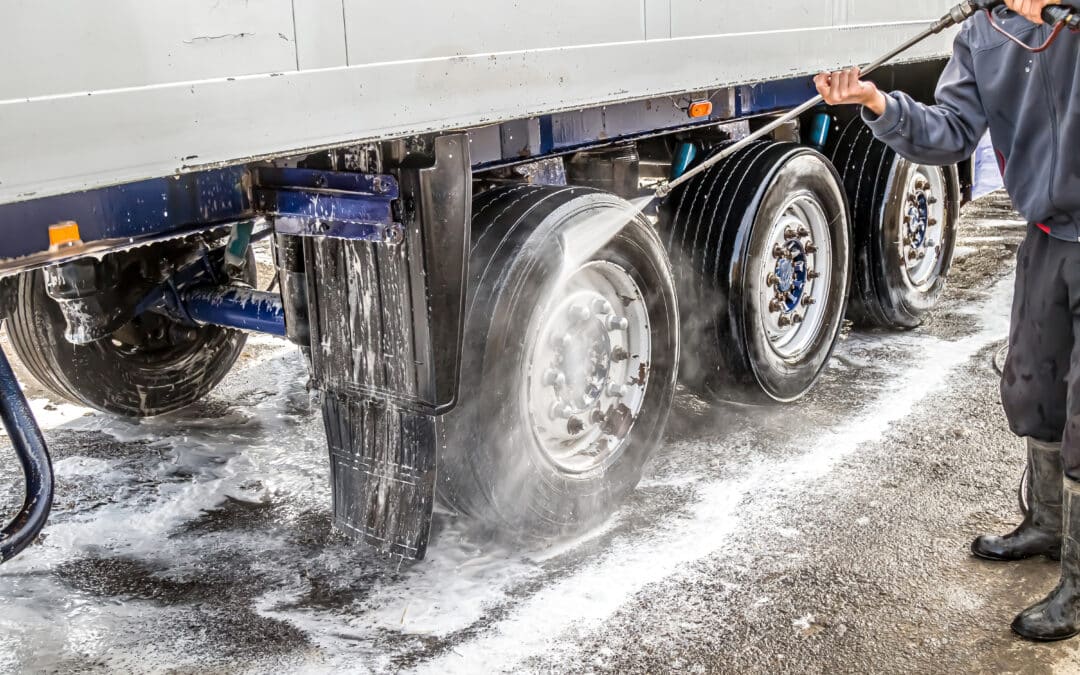
High-pressure cleaning relies more heavily on the force of pressurized water to remove dirt, mud, grease, and stubborn buildup.
A commercial pressure washer is typically better suited for hard, durable surfaces such as:
- Concrete
- Sidewalks
- Parking areas
- Loading docks
- Heavy equipment
- Commercial vehicles
- Shop and industrial areas
For grease and oil, hot water pressure washers can provide additional cleaning power by using heat to help break down contaminants.
Soft Washing vs. Pressure Washing: What’s the Difference?
The main difference is how each method produces its cleaning power.
Soft washing relies primarily on cleaning chemistry and dwell time while using relatively low water pressure.
Pressure washing relies more heavily on water pressure and flow to mechanically remove buildup.
Neither method is better for every application. The goal is to match the cleaning method to the surface and contaminant.
| Soft Washing | High-Pressure Cleaning |
| Lower water pressure | Higher water pressure |
| Relies more on cleaning solutions | Relies more on mechanical cleaning |
| Ideal for delicate surfaces | Ideal for durable surfaces |
| Effective for organic growth | Effective for dirt, mud and heavy buildup |
| Common for roofs and siding | Common for concrete and equipment |
When Should You Use Soft Washing?
Soft washing is generally the better choice when excessive pressure could damage the surface.
Roofs: Roofing materials can be vulnerable to aggressive pressure. Soft washing helps remove algae, mold, and staining without relying on high-pressure water.
Siding and stucco: Lower pressure can help reduce the risk of damaging exterior finishes or forcing water behind siding.
Wood and fences: Too much pressure can etch, splinter, or damage wood surfaces.
Organic growth: Soft wash cleaning solutions are particularly effective for algae, mold, mildew, and other biological contamination.
For contractors who regularly clean homes, roofs, and building exteriors, a dedicated soft wash system provides greater control over chemical application and rinsing.
When Should You Use High-Pressure Cleaning?
Pressure washing is more appropriate when the surface can handle additional cleaning force and mechanical removal is needed.
Concrete and pavement: Driveways, sidewalks, parking lots, loading docks, and other hard surfaces are common pressure washing applications.
Heavy equipment: Construction and industrial equipment often accumulates mud, grease, and heavy buildup that requires greater cleaning power.
Commercial facilities: Warehouses, shops, wash bays, dumpster areas, and other high-traffic environments can benefit from commercial pressure washing equipment.
Grease and oil: Hot water pressure washers are particularly useful when dealing with oily or greasy contamination.
Cleaning Is About More Than PSI
One of the biggest mistakes when selecting cleaning equipment is focusing entirely on pressure.
Professional cleaning depends on several factors:
Pressure + Water Flow + Temperature + Chemistry + Time
Using the right detergent, for example, can reduce the amount of pressure needed. Hot water can improve grease removal, while soft wash chemistry can treat organic growth without aggressive mechanical cleaning.
The objective isn’t to use the highest pressure possible. It’s to use the right combination of cleaning factors for the job.
Do You Need Soft Wash and Pressure Washing Equipment?
For many professional cleaning businesses, having access to both systems provides the most flexibility.
A soft wash system can handle roofs, siding, and other delicate exterior surfaces, while a commercial pressure washer provides the power needed for concrete, equipment, and demanding commercial applications.
The right setup depends on what you clean most often, whether you need hot water, the chemicals you use, and whether the equipment needs to be installed on a skid, truck, or trailer.
Find the Right Cleaning Equipment
Choosing between soft washing and high-pressure cleaning starts with understanding the surface and the contaminant you’re trying to remove.
Aqua Engineers provides professional soft wash systems, commercial pressure washers, cleaning equipment, chemicals, parts, and accessories for a wide range of exterior cleaning applications.
Explore our soft wash and pressure washing equipment, or contact Aqua Engineers for help selecting a system that fits your cleaning operation.